
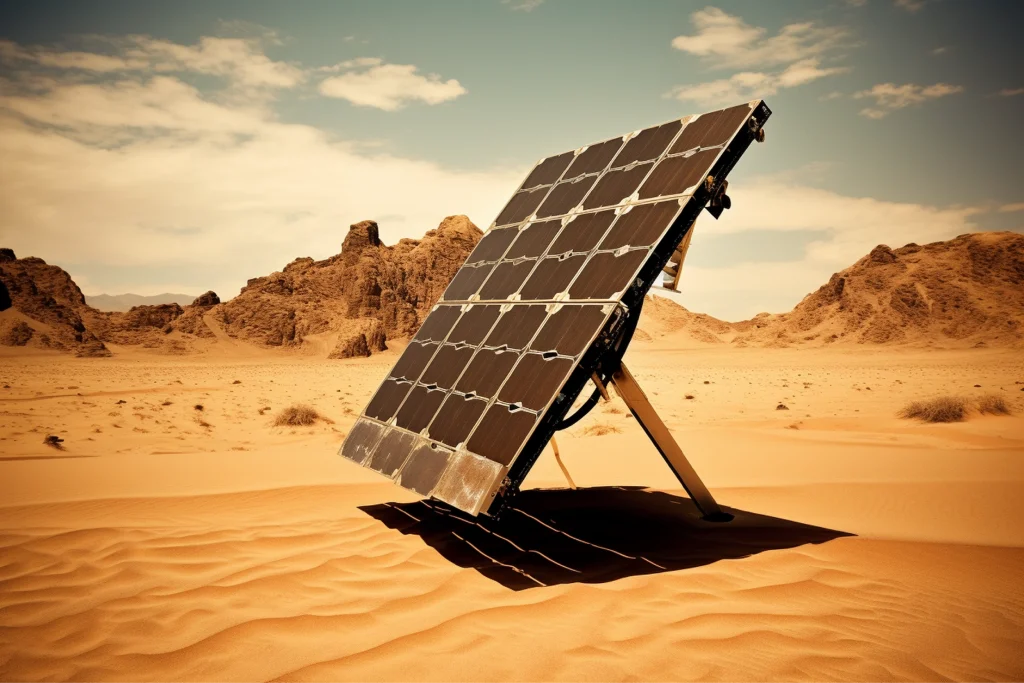
Currently producing just 879 MW in renewables (less than 1 % of total power), Iran plans to scale capacity to 30,000 MW by 2028. Stimson Center+1 Can this transition turn Iran into a regional clean energy exporter? Explore prospects in solar, wind, power trade, and how Arinest could facilitate cross-border energy and clean-tech export deals.
Introduction
Despite its abundant solar and wind capacity, Iran’s renewables remain underutilized. With an installed base of only 879 MW as of 2023—less than 1 % of national electrical capacity—renewables remain a niche. Stimson Center Ambitious plans aim to scale capacity up to 30,000 MW by 2028, a nearly 34× increase from present levels. IntelliNews If realized, this shift could pivot Iran from energy importer/exporter of fossil fuels to a regional hub in clean energy trade and infrastructure.
1. Current Status & Potential
Power mix & reliance on fossil fuels: Over 99 % of Iran’s electricity is generated from conventional (thermal, gas) sources, with renewables <1 %.
Solar & wind potential: Southern and central Iran receive average irradiation of 5.2–5.4 kWh/m²/day; wind corridors in the coastal zones show promising capacity. Eurasian Research+2Eurasian Research+2
- Policy goals: Government aims to increase renewables share, attract foreign capital, build storage and grid infrastructure to support exportable capacity
2. Export Models & Trade Opportunities
- Cross-border power trade:Export surplus clean energy to neighboring countries (Iraq, Azerbaijan, Pakistan, Afghanistan) through interconnections.
- Clean tech & equipment export: Manufacture and export solar panels, inverters, wind turbines, control systems.
- Green hydrogen & derivatives: Use renewable electricity to produce hydrogen, ammonia for export to energy markets.
- Hybrid project development models: Partnerships with foreign investors to build plants under BOO/BOT models, with export guarantees, feed-in contracts.
3. Challenges & Barriers
- Grid & transmission bottlenecks: Need upgrades in lines, storage, transmission stability to handle intermittent generation.
- Regulatory / contractual risks: Tariff setting, PPA (power purchase agreements), legal frameworks, cross-border trade law.
- Financing & investment constraints: High upfront CAPEX, currency risk, sanction risk deter foreign capital.
- Market competition & pricing: Competing with coal, gas-based power in regional markets; need to price competitively.
Storage & intermittency: Ensuring baseload or firm power output demands energy storage solutions (batteries, pumped hydro, etc.).
4. How Arinest / Strategic Players Could Enable Export Growth
- Project facilitation & finance matchmaking: Connect developers with investors, structure cross-border PPAs, manage risk.
- Technical & advisory services: Feasibility, grid integration studies, regulatory compliance, EPC tendering.
- Trade & contracting support: Negotiate export agreements, handle permits, cross-border regulatory alignment.
- Value-chain development: Encourage domestic manufacturing of renewable components, creating exportable clean-tech.
Pilot export deals: Start with small power export or equipment export pilots to neighboring markets, scaling over time.
Conclusion
Iran stands at a pivotal moment: its natural renewables potential is immense, but current utilization is negligible. If it can execute plans to scale to 30,000 MW or more, and build export channels—whether power, hydrogen, or clean-tech—it could transform its trade profile. But success demands policy clarity, investment, grid upgrades, and strategic partnerships. Arinest can be the bridge between ambition and execution in Iran’s clean energy export journey.